Simple Care and Fast Repairs Help Paved Surfaces Last Longer
The best way to extend the life of paved lots is to keep water out, fix small damage early, and stay on a simple care schedule. Clean the surface, seal cracks, patch weak spots, and plan regular checks during the year. In places like Turlock, CA, sun, rain, and daily traffic can wear down asphalt faster, so routine care makes a big difference.

Why Prevention Matters
Paved lots take a lot of stress every day. Cars turn, trucks stop, water sits, and oil drips. Over time, that wear adds up. A small crack can turn into a pothole. A low spot can hold water and weaken the base below. When damage spreads, repairs get bigger and cost more time and money. That is why prevention matters so much for parking lot paving and general lot care.
Regular upkeep helps the surface stay smooth, safer, and easier to use. It also helps a property look cared for. Whether the lot serves a store, office, church, school, or apartment building, a longer-lasting paved area starts with small, steady actions instead of waiting for major damage.
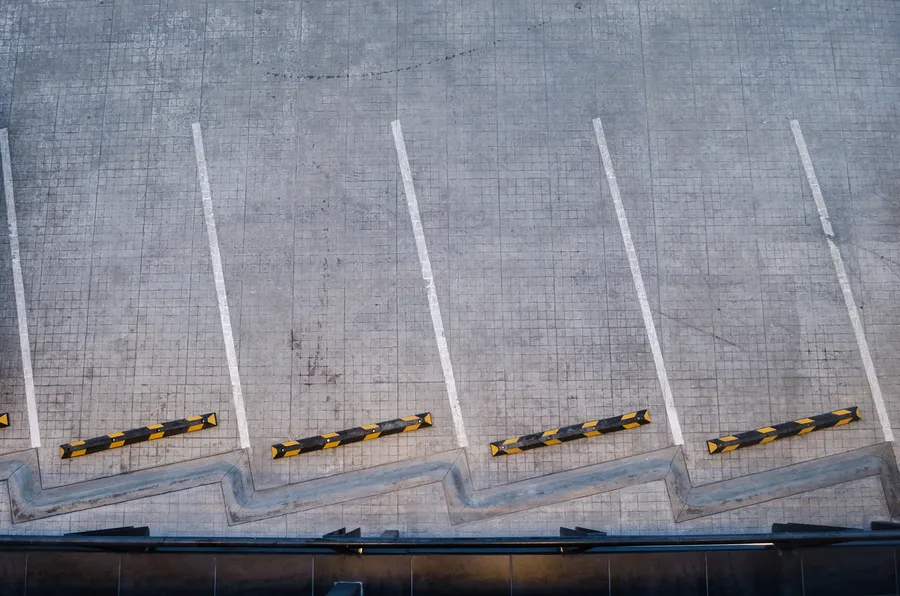
Early Warning Signs
You can often spot trouble before the lot gets much worse. Early signs are easy to miss if no one is checking the pavement often. A quick walk across the lot every few weeks can help catch problems while they are still small.
- Thin cracks that spread in lines
- Water that stays after rain
- Faded surface color
- Loose gravel on top of the pavement
- Small potholes forming near traffic lanes
- Edges that start to crumble
- Marks from fuel or oil that soften the surface
These signs often mean the pavement is starting to break down. If you act early, you may only need minor repairs. If you wait too long, the damaged area can grow and affect more of the lot.
Seasonal or Routine Checklist
A simple schedule makes paved lot care easier. Many owners and managers do better when they follow the same pattern each year. This helps them stay ahead of weather and traffic damage.
- Inspect the lot in early spring for cracks, standing water, and potholes.
- Clean dirt, leaves, and trash from the surface and drainage areas.
- Mark problem spots where cars brake, turn, or idle often.
- Fill small cracks before water can get under the pavement.
- Patch weak areas that show breakup or sinking.
- Check line striping and traffic markings for visibility and order.
- Plan sealcoating on the right cycle for the lot’s use and condition.
- Inspect again before winter or heavy rain seasons begin.
This routine supports better parking lot paving results over time because the surface gets attention before damage spreads. It also helps with planning, since needed work becomes easier to predict.
Best Practices for Long-Term Results
Long life starts with keeping water off and out of the pavement. Water is one of the biggest causes of pavement failure. If it gets under the surface, it can weaken the base, cause sinking, and lead to cracks and potholes. That is why drainage matters so much.
Another smart step is to repair cracks while they are still narrow. Cracks let in water, dirt, and debris. Once that happens, traffic pushes the damage deeper. Quick crack sealing helps slow this process.
Sealcoating can also help protect asphalt from sun, moisture, and spills. It is not a fix for major damage, but it can add a protective layer when the pavement is still in fair shape. A lot that gets regular traffic may need this on a set cycle based on wear.
Heavy vehicles should also be managed when possible. Delivery trucks, dumpsters, and repeated parking in the same spot can wear down one area faster than the rest. If traffic patterns can be spread out, the lot may wear more evenly.
If your property includes related service category work such as concrete walks, curbs, or drainage features, those parts should be checked too. Pavement lasts longer when all nearby surfaces and water paths are working the way they should.
What Not to Do
Some choices seem small but can shorten the life of paved lots. One common mistake is ignoring hairline cracks. Another is patching surface damage without fixing the reason it started. For example, if a low area always holds water, the same spot may fail again after a basic patch.
It also helps to avoid harsh cleaning methods that damage the surface. Letting weeds grow through cracks is another problem. Roots can push apart weak sections and trap more moisture. Poor snow removal can also scrape or gouge the top layer if blades are set too low.
- Do not wait for potholes before taking action
- Do not let drains stay clogged
- Do not treat all cracks the same way
- Do not overload edges with heavy trucks
- Do not skip routine inspections after storms
When to Schedule Professional Help
Some maintenance jobs are simple, but others need trained crews and the right equipment. If the lot has widespread cracks, deep potholes, crumbling edges, drainage trouble, or large sunken areas, it is a good time to call a professional. The same is true when surface repairs keep failing in the same places.
A pavement expert can check whether the trouble is only on top or deeper in the base. That matters because surface fixes alone may not last if the structure below is weak. Professional help is also useful when planning larger parking lot paving work, resurfacing, or full repairs for high-traffic properties.
Get Help Before Small Pavement Issues Grow
If your lot in Turlock, CA is showing wear, we can help you plan the right next step. At Mid State Asphalt, we focus on practical repairs and long-term pavement care. Call us at (209) 336-8947 to talk with our team and set up a time to look at the surface.