A Smoother Surface Helps Reduce Slips, Cracks, and Poor Visibility
Sealcoating helps make asphalt lots safer by protecting the surface from wear, water, sun, and chemical spills. It can also improve traction and make painted lines easier to see. That matters in busy areas where drivers, walkers, and carts all share the same space. When a lot stays in better shape, there is less risk of trips, falls, puddles, and damage that can lead to unsafe spots.
Quick Answer
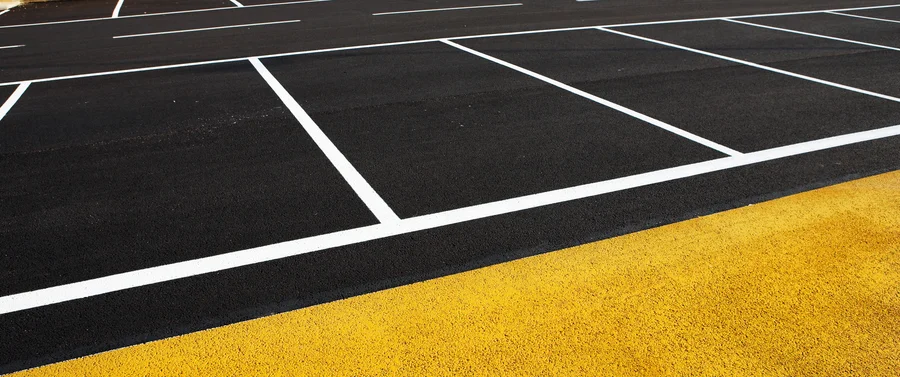
Parking lot sealcoating improves safety by adding a protective layer over asphalt. This layer slows damage from weather and traffic. It helps the pavement stay smoother for longer. A smoother lot has fewer cracks, holes, and loose areas that may cause people to trip or cars to bump hard. It also gives a darker, cleaner surface, which helps striping stand out better for lanes, arrows, and parking spaces.
For property owners, this is not just about looks. A sealed lot is easier to inspect and maintain. Small issues are often easier to spot before they turn into larger safety hazards.
What You Need Before Starting
Before any parking lot sealcoating project begins, the lot should be checked closely. The pavement needs to be clean and dry. Cracks, oil spots, and weak areas should be found first. Sealcoating is a maintenance step, not a fix for major pavement failure. If the asphalt is breaking apart or sinking, those spots may need repair before the surface is coated.
It also helps to plan around weather and traffic. Sealcoat needs time to dry. Cars and foot traffic should stay off the lot during that time. Good planning lowers the chance of marks, damage, or unsafe use before the coating sets.
- Clean pavement with no dirt or loose debris
- Crack filling where needed
- Oil spot treatment
- Dry weather for application and curing
- A plan for blocking off traffic and walkways
Step-by-Step Process
A safe sealcoating job follows a clear process. Each step helps the final surface last longer and perform better.
- Inspect the lot for cracks, potholes, stains, and weak spots.
- Clean the full area so the coating can stick well.
- Repair cracks and damaged sections before coating.
- Treat oil-stained areas that may block adhesion.
- Apply the sealcoat in even coats across the asphalt.
- Let the surface dry fully before traffic returns.
- Re-stripe the lot so markings are bright and easy to follow.
That last step matters a lot for safety. Fresh striping works with the dark sealed surface to improve visibility. Drivers can see stalls, fire lanes, stop bars, and crosswalks more clearly. Pedestrians can also tell where to walk and where to watch for vehicles.
Common Mistakes to Avoid
One common mistake is applying sealcoat over damage that should be repaired first. If deep cracks or potholes are left in place, the surface may still be unsafe even after coating. Another mistake is sealing a dirty or damp lot. That can lead to poor bonding and early wear.
Some owners also wait too long. When asphalt stays exposed for years, water can seep in and weaken the base. At that point, the lot may need more than routine care. Skipping fresh striping after the surface is sealed is another problem. Even if the pavement is protected, faded markings can still create confusion and raise the chance of accidents.
The service category keyword may be broad, but routine asphalt maintenance often works best when sealcoating is part of a larger care plan.
When to Call a Professional
Small maintenance planning can be done by a property manager, but most sealcoating work is better handled by a trained crew. A professional can tell if the lot is ready for coating or if repairs should happen first. This matters because safety depends on more than a fresh surface. Drainage, crack depth, surface wear, and traffic load all play a part.
You should call a professional if the lot has standing water, wide cracks, potholes, drainage trouble, or faded striping. It also makes sense to get help if your property has heavy daily traffic, delivery trucks, or shared pedestrian areas. In those places, clear markings and sound pavement are a big part of accident prevention.
Final Recommendation
Sealcoating is one of the simpler ways to protect asphalt and support a safer parking area. It helps reduce surface damage, improves the look of the lot, and makes pavement markings easier to see. While it is not a cure for every asphalt issue, it can play a big role in lowering everyday risks when used at the right time and along with basic repairs.
If your lot is starting to fade, crack, or lose clear striping, it may be time to act before safety gets worse. In Turlock, CA, a worn lot can quickly become harder to use after weather and traffic add more stress. At Mid State Asphalt, we can help inspect the surface, explain the next steps, and schedule service that fits your property. Call us at (209) 336-8947 to talk with our team.