Why a New Surface Can Be a Smart Upgrade for Busy Business Pavement
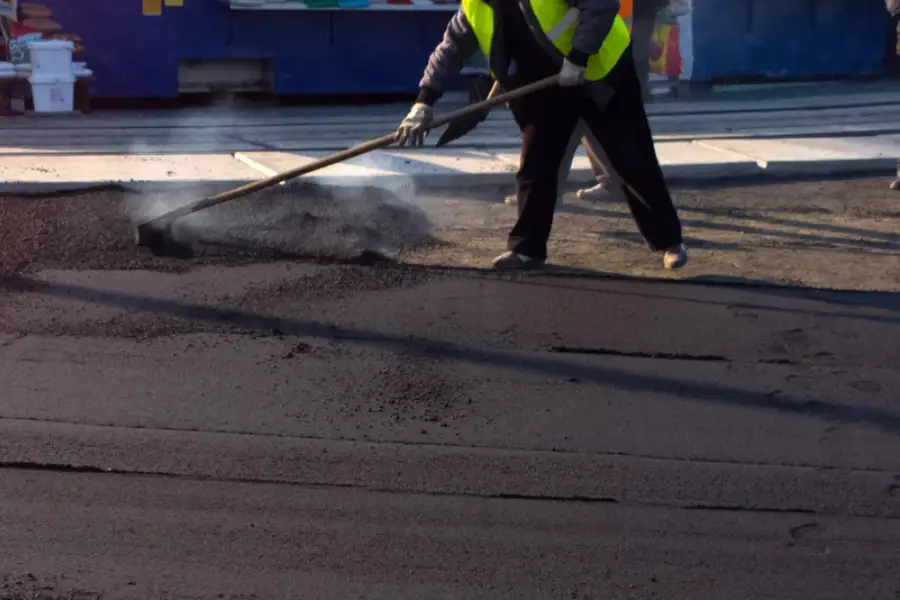
Asphalt resurfacing can help commercial properties save money, improve safety, and give parking lots and drive lanes a cleaner look without a full replacement. For many business owners and property managers, it is a practical way to fix surface wear, smooth out rough spots, and extend pavement life. If a paved area in Turlock, CA has surface damage but the base is still in fair shape, resurfacing is often a strong option.
Quick Decision Answer
For many commercial properties, asphalt resurfacing is the better choice when pavement has cracks, minor low spots, and surface aging, but not major base failure. It costs less effort than a full rebuild and causes less disruption to daily traffic. It also helps improve curb appeal, which matters for offices, stores, medical buildings, apartment sites, and industrial spaces.
This service works best when the existing pavement still has a stable structure underneath. If the lot has deep sinking, wide broken areas, or drainage problems that come from the base, resurfacing may not be enough on its own. In those cases, repairs may need to happen first.
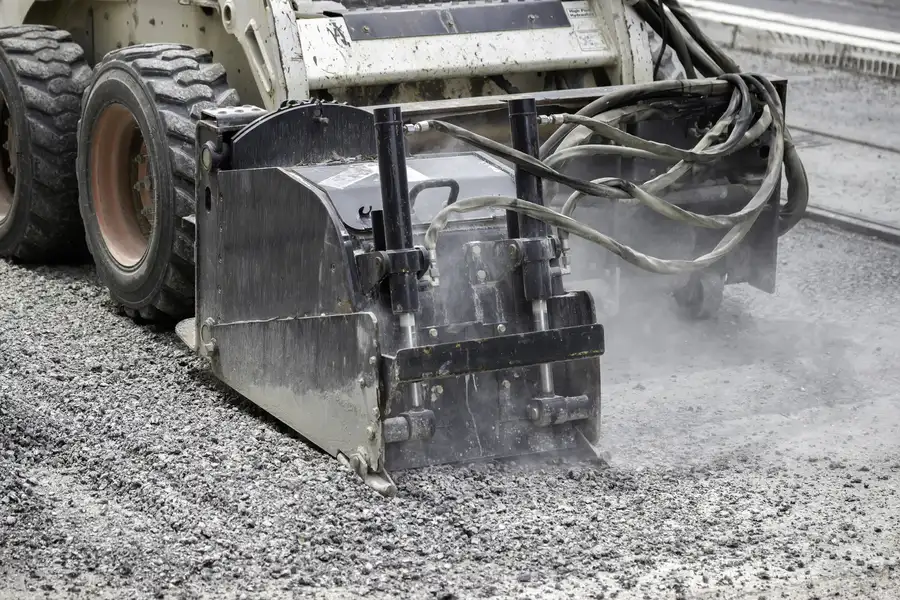
Option a Vs Option B Criteria
Commercial property owners often compare asphalt resurfacing with full pavement replacement. The right choice depends on the condition of the paved area, how much traffic it gets, and how long the owner plans to keep the property.
- Choose asphalt resurfacing when the surface is worn but the foundation is still solid.
- Choose replacement when the pavement has severe failure from the ground up.
- Choose resurfacing when you want a faster visual upgrade for customers and tenants.
- Choose replacement when patching has failed many times in the same spots.
- Choose resurfacing when you need a smoother driving surface with less downtime.
In the broader paving and surface repair service category, resurfacing fills the gap between minor patching and full reconstruction. It is often the middle-ground solution that gives solid value for commercial sites.
Pros and Cons List
Like any pavement option, asphalt resurfacing has good points and limits. Looking at both sides can help property owners make a smart call.
- Pro: It improves appearance fast. A fresh black surface looks clean and well cared for.
- Pro: It can make driving and walking safer by smoothing rough areas.
- Pro: It can extend the life of an existing lot or private road.
- Pro: It may reduce tenant and customer complaints about rough pavement.
- Pro: It usually causes less disruption than a full tear-out.
- Con: It does not fix deep structural failure by itself.
- Con: Drainage issues below the surface can still cause problems later.
- Con: If damage is too severe, resurfacing may only be a short-term answer.
Best Fit by Scenario or User Need
A retail center often benefits from asphalt resurfacing because first looks matter. When customers pull in, they notice striping, smooth driving lanes, and clean parking spaces. A rough lot can make the whole property feel older than it is. Resurfacing can help create a better first impression.
Office buildings can benefit too. Employees and visitors use the lot every day, so trip hazards, puddles, and loose surface wear can become a real problem. A newer top layer can improve daily use and support a more professional image.
Apartment complexes and multi-family sites are another strong fit. These properties deal with constant vehicle traffic, delivery trucks, and foot traffic. A resurfaced lot can improve comfort for residents and reduce wear-related complaints.
Industrial sites may also use asphalt resurfacing, but they need a closer review. Heavy truck loads can put extra stress on the pavement. If the base has started to fail, resurfacing alone may not hold up as well as owners hope.
Mistakes People Make When Choosing
One common mistake is choosing based only on what the surface looks like. A lot may look worn, but still be a great candidate for asphalt resurfacing. On the other hand, a lot may only show a few bad spots on top while hiding bigger base problems below.
Another mistake is waiting too long. Small cracks and surface wear are easier to address before water gets deep into the pavement. Once that happens, freeze and thaw cycles, traffic stress, and pooling water can make the damage worse.
Some owners also skip drainage review. A fresh surface will not perform well if water still collects in the wrong places. Water is one of the biggest reasons paved surfaces break down early.
It is also a mistake to ignore traffic patterns. Entry lanes, dumpster pads, loading zones, and drive-through areas often wear faster than standard parking stalls. These spots may need extra repairs before resurfacing begins.
Final Decision Checklist
Before moving ahead, property owners can use a simple checklist to judge if asphalt resurfacing makes sense.
- Check if the pavement base is still stable.
- Look for widespread surface cracks, fading, and rough texture.
- Mark any deep potholes or broken sections that may need repair first.
- Watch how water drains after rain.
- Think about how appearance affects customers, tenants, or staff.
- Review how much traffic the lot gets each day.
- Compare short-term patching costs with the longer life of a resurfaced surface.
If most of these points line up well, resurfacing may be the right next step for the property. It gives many commercial sites a fresh start without the larger scope of full replacement.
Get Help With the Next Step
If a property in Turlock, CA is showing wear, we can help review whether asphalt resurfacing is the right fit. Contact us at (209) 336-8947 to talk through the site needs and timing. At Mid State Asphalt, we help commercial properties plan practical pavement improvements that match real use.